







Plastic gears
Efficiency, durability and tailor-made solutions
Why choose plastic gears?
Plastic gears are a modern solution for mechanical systems where low weight, quiet operation, and high wear resistance are crucial. Thanks to advanced plastic processing and the use of thermoplastic materials, plastic gears have become an attractive alternative to traditional metal gears. They combine durability with design flexibility and can be adapted to complex applications, making them particularly interesting for both industrial and technical equipment.
- Light weight and low friction
- Quiet operation
- Corrosion-resistant and wear-resistant
Plastic gears offer a range of advantages over metal gears. Their low weight makes them ideal in applications such as robotics and conveyor belts where efficiency and energy optimisation are important. Plastic's low friction and quiet running contribute to quieter and more efficient equipment. Plastic materials do not rust and are generally resistant to chemicals, making them obvious choices for the food and pharmaceutical industries. Modern thermoplastics like POM and PA have high wear resistance, ensuring a long service life and reducing maintenance costs.


Advantages and disadvantages of plastic gears
- Benefits: lower cost, flexible, insulating, sustainable
- Disadvantages: temperature sensitive, limited load, UV and chemical sensitive (choice of plastic type is crucial)
The choice of plastic gears offers many advantages. They are often more cost-effective than metal gears, especially in small to medium production runs. The mouldability of plastic allows for complex geometries that can be precisely adapted to the system's requirements. Plastic gears also act as electrical insulators and can be a more sustainable solution, as many thermoplastics can be recycled or are biodegradable.
Disadvantages include temperature sensitivity and limited load-bearing capacity, as plastic materials can deform under heat or heavy loads. Some plastic types also degrade with prolonged UV exposure, and chemical resistance varies between different plastic types, requiring careful material selection.
Applications for plastic gears
- Automotive, food industry, medical equipment
- Low weight, low friction and corrosion resistance
Plastic gears are widely used in industries where a combination of low weight, low friction, and corrosion resistance is important. In the automotive industry, plastic gears are used in window mechanisms and lightweight gearboxes. The food industry benefits from plastic gears in food processing and packaging machinery. Medical equipment such as dosing pumps and small mechanical systems use plastic gears to minimise friction and ensure precision.
In-house design department – specially designed solutions
- Custom-designed gears to order
- Optimisation of functionality and economy
- Prototype to series production
We offer custom-made plastic gears through our own design department. This means we can develop gears that precisely match your requirements for load, size, and operation.
Our team works closely with you to optimise functionality and cost-effectiveness, whether for a single prototype or a larger production run.
The combination of plastic processing expertise and advanced design tools ensures solutions that are both technically functional and durable.
Material selection for plastic gears
- POM: Durability and low friction
- PA: flexibility and tensile strength
- TPU and PET: elasticity, chemical resistance and dimensional stability
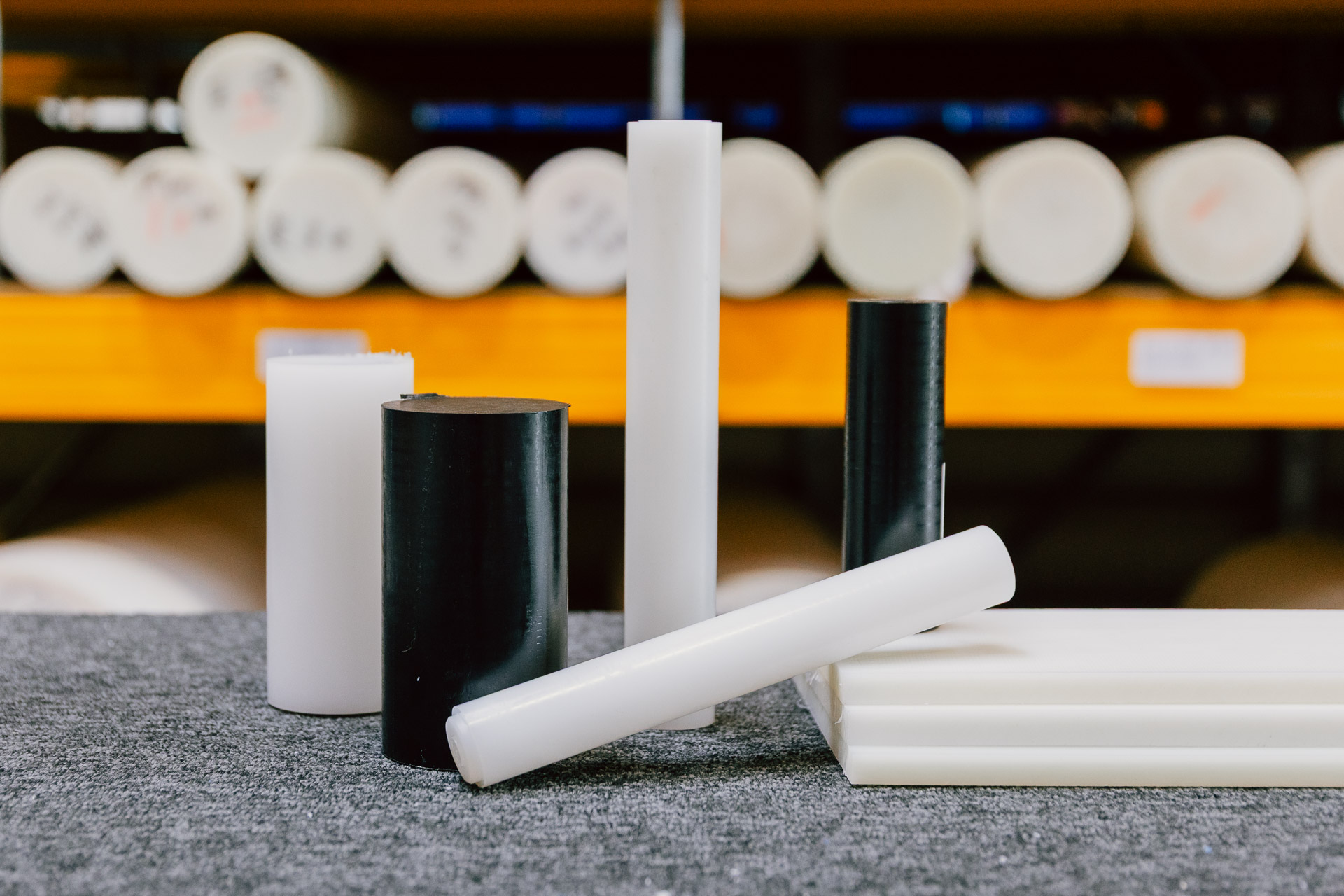
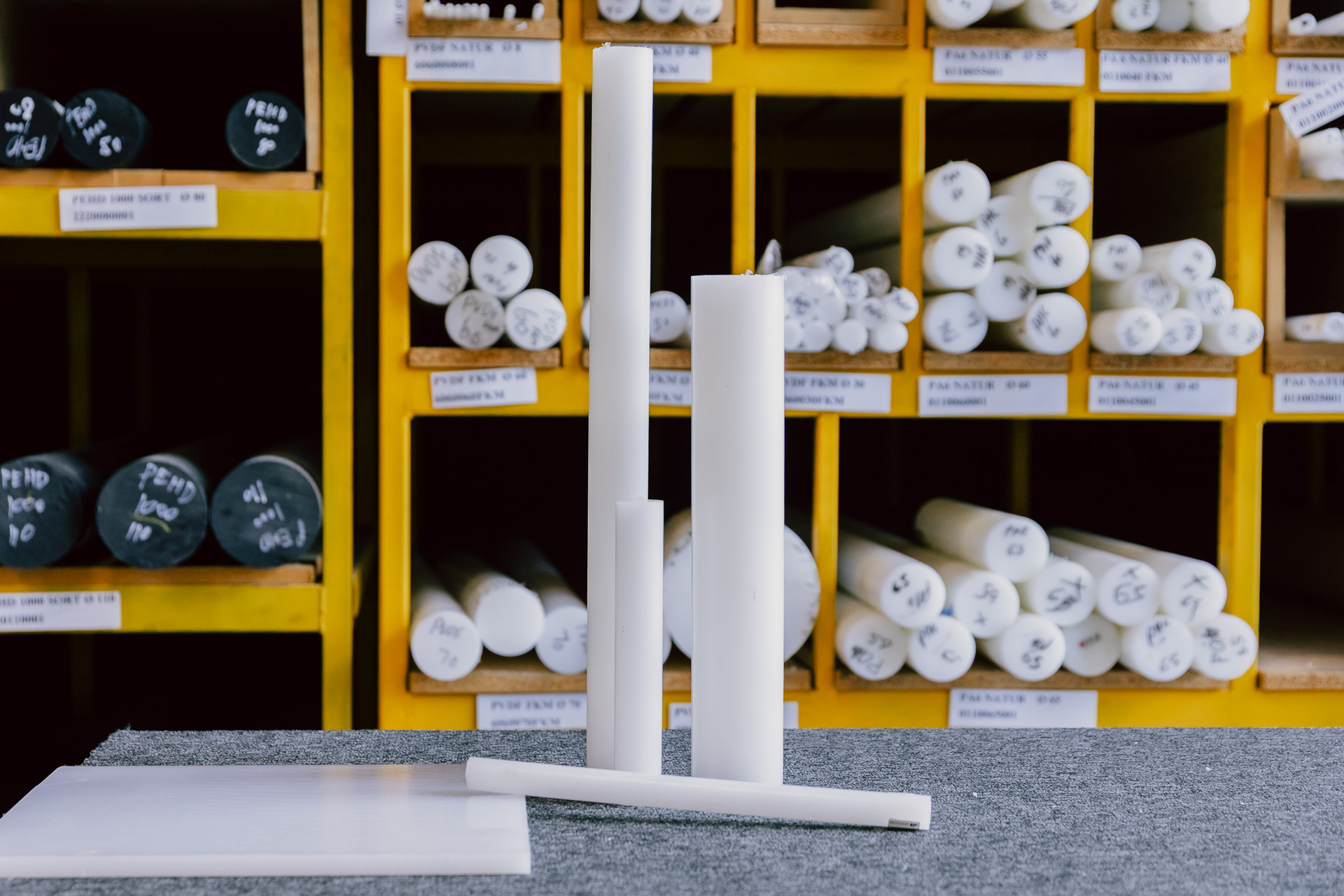
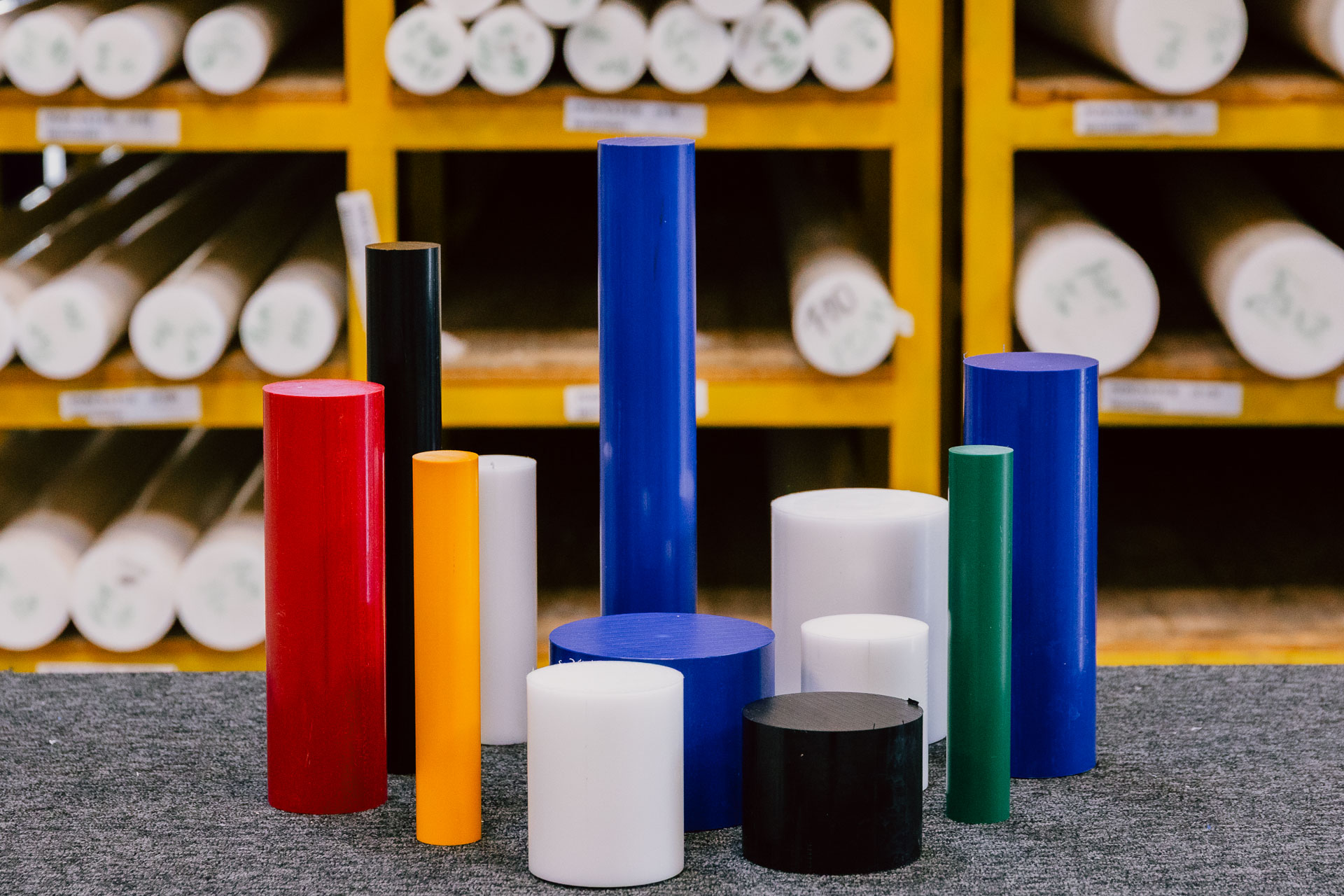
The choice of material is central to the gear's performance. Polyoxymethylene (POM) is known for high wear resistance and low friction, while polyamide (PA) offers high tensile strength and flexibility, suitable for applications with shock dynamics. TPU, a thermoplastic polyurethane, provides high elasticity and wear resistance, while PET (polyethylene terephthalate) is chemically resistant and dimensionally stable. The choice of thermoplastic depends on load, temperature, chemical exposure, and desired lifespan.

FAQ about plastic gears
Tandhjul er typisk lavet af metal, men kan også produceres af plastik eller andre materialer alt efter deres anvendelse.
Gears can be made from both metal and plastic. Plastic gears are typically manufactured from thermoplastic materials such as POM, PA, and TPU, which combine low weight, wear resistance, and corrosion resistance.
Man bruger tandhjul til at overføre kraft og bevægelse mellem to aksler. De findes i en lang række maskiner, fra ure og cykler til biler og industrielle maskiner.
Gears are used to transfer movement and power between machine parts in mechanical systems. They are found in cars, household appliances, electronics and medical equipment, where they ensure precise and efficient motion control.
We offer custom-made plastic gears through our own design department. This means we can develop gears that precisely match your requirements for load, size, and operation.
Our team works closely with you to optimise functionality and cost-effectiveness, whether for a single prototype or a larger production run.
The combination of plastic processing expertise and advanced design tools ensures solutions that are both technically functional and durable.

