







The industrial solution of the future
Conversion to plastic
Optimise your machines' performance and reduce operating costs through strategic conversion from metal to plastic.
Introduction to conversion to plastic
In today's industrial landscape, plastic components are becoming an increasingly attractive solution for companies looking to optimise their products. Converting from traditional materials such as wood, steel, and metal to plastic offers reduced maintenance, low heat conductivity, noise and vibration reduction, as well as a free choice of colour.
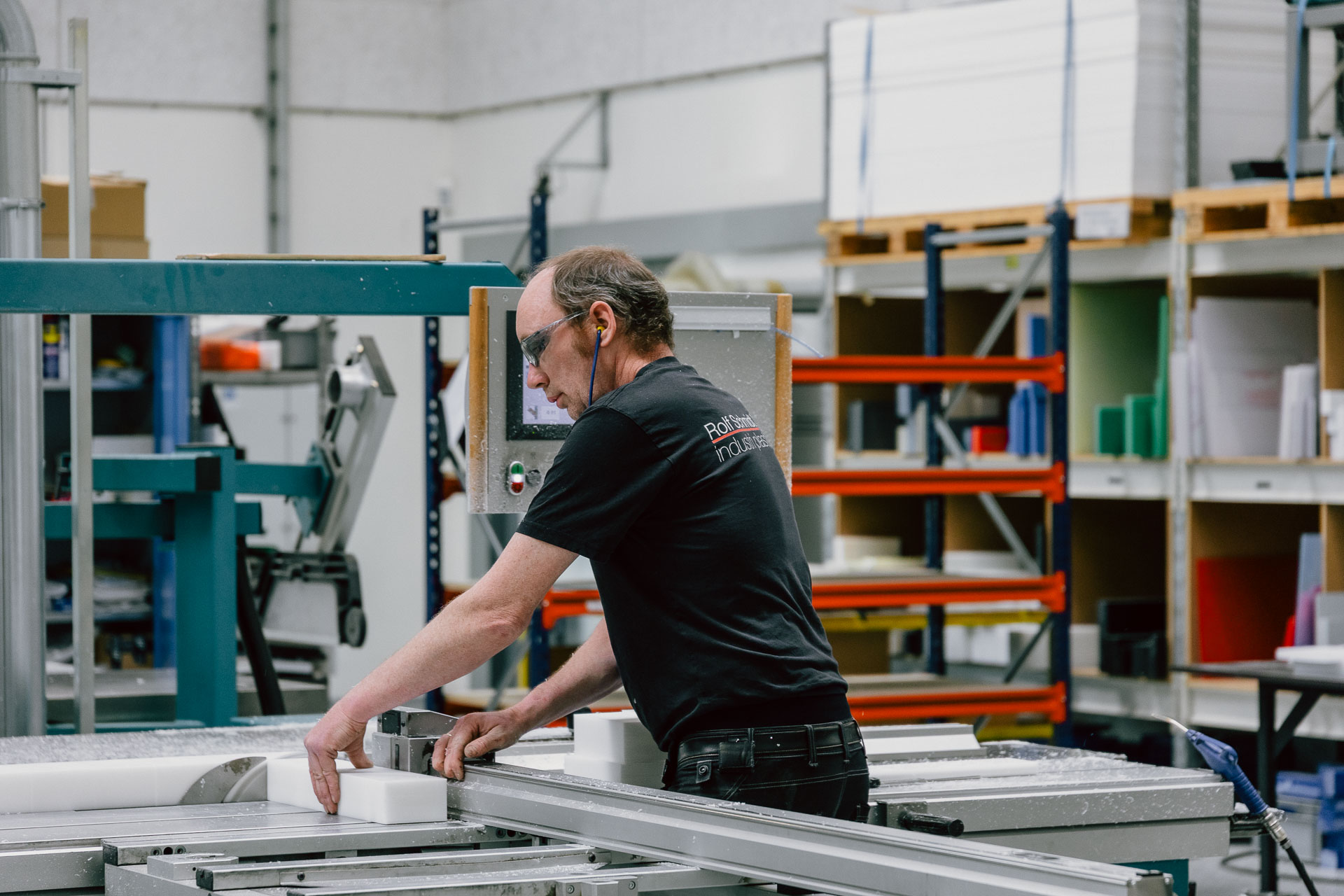
Plastic processing is a key process in this conversion. By utilising modern techniques such as milling and CNC machining, complex components can be manufactured with high precision and consistent quality. This makes plastic an ideal choice for both small and large production runs.
Advantages of plastic components
Weight reduction
Plastic generally has a lower density than metal and wood, meaning lighter components. This is particularly valuable in the transport sector, where reducing weight can lead to lower energy consumption and better performance.
- Lighter components reduce transport costs
- Improves the efficiency of machine parts and mechanical systems
- Contributes to more ergonomic products

Advantages of plastic components
Weight reduction
Plastic generally has a lower density than metal and wood, meaning lighter components. This is particularly valuable in the transport sector, where reducing weight can lead to lower energy consumption and better performance.
- Lighter components reduce transport costs
- Improves the efficiency of machine parts and mechanical systems
- Contributes to more ergonomic products
Increased wear resistance and durability
Many plastic types, especially engineering thermoplastics, offer excellent wear resistance and resistance to friction. This makes plastic components well-suited for moving parts, gears, bearings and other critical components in machinery.
Chemical resistance and resilience
Plastic can withstand a wide range of chemicals, acids and bases, making the material attractive in industrial environments where metal can corrode. This allows plastic components to be used in aggressive environments without compromising durability.
Design flexibility
Plastic processing allows for more complex geometric shapes and integrated functions that can be difficult to achieve with metal or wood. This means fewer overall parts, shorter assembly processes, and lower production costs.
Want to hear more?
-

Senior Design Manager & Account Manager, Rexnord
Flemming Paulsen